
Go to main content
Return
  • Heritage, events & knowledge

  • Normandie

"Anglo-Norman or Neo-Norman architecture? From the Cote Fleurie to the conquest of the world."

from 20 March 2027

to 19 September 2027

5ac3b4f52a5d1351669980c5.47859322.jpg
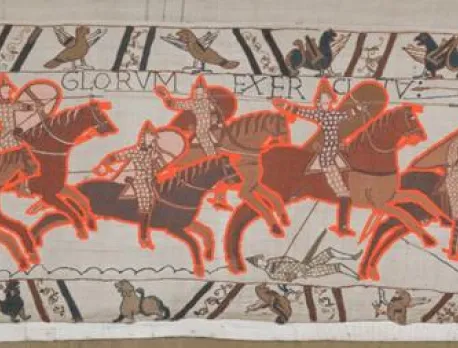
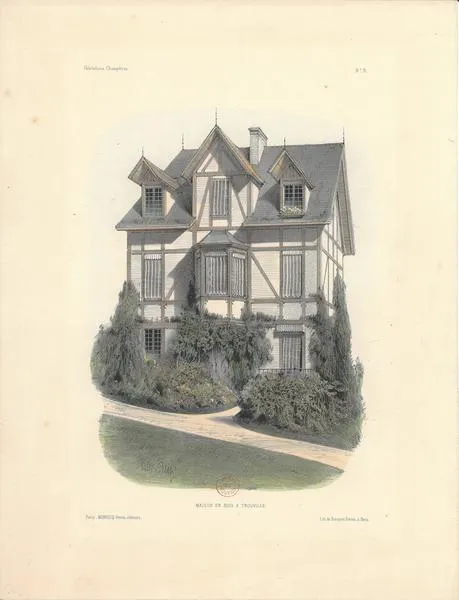
The architecture known as "Anglo-Norman" evokes a meeting between English and Norman influences. The expression, however, most often refers to the neo-Norman style, a regionalist movement that emerged in the 19th century and was inspired by the vernacular constructions of the Pays d'Auge. Its origins and usage question the historical and cultural ties woven between Normandy and England since the 11th century. The press, literature, and architectural journals play a key role in the dissemination of this reference, intertwining theoretical, historical, and technical approaches. The analysis concerns both vernacular housing and vacation architecture. The cottage, in Normandy as in England, reflects local craftsmanship adapted to the environment, particularly characterized by the use of timber framing. Long shaped by artisans, it becomes in the 19th century a picturesque motif valued by artists and later reinterpreted by architects. In contrast, the seaside villa, designed for a wealthy clientele, asserts a distinctive style, integrating elements inspired by English cottages (jagged volumes, bow windows, overhanging roofs). The Anglo- or neo-Norman movement appears as early as the 1860s and establishes itself by the end of the century on the Norman coast. It is part of a broader set of influences, including regionalism, neo-Gothic, or Tudor style, and resonates with architectural trends in English seaside resorts. At the same time, in England, the "Norman revival" draws directly from the legacy of the Norman conquest, revealing distinct but complementary memorial constructions. Now emblematic, this architecture asserts itself as a strong image of Normandy, well beyond its local realities. Disseminated throughout the region and internationally, it bears witness to a cultural influence that extends, in another form, the history of Norman movements across the world. **Exhibition Curators**: Karl Laurent and Juliette Morel. **Practical Information:** General public Admission: 8 € (Full price) | 4 € (Reduced price)

Musée Villa Montebello, Trouville-sur-Mer

87 Rue Général Leclerc, 14360 Trouville-sur-Mer, France

Other events